
Chiropractic Care and Recovery in Charlotte
How Recovery Works:
What to Expect as You Improve
Recovery is a process. It rarely happens overnight, and it is not always linear. At Align Chiropractic, we look beyond short-term symptom relief and focus on improving how your body functions over time.
The goal of care is to reduce irritation, restore movement, support better nervous system function, and help you build more stable, lasting progress. When you understand the stages of recovery, it becomes easier to set realistic expectations and make better decisions about your care.
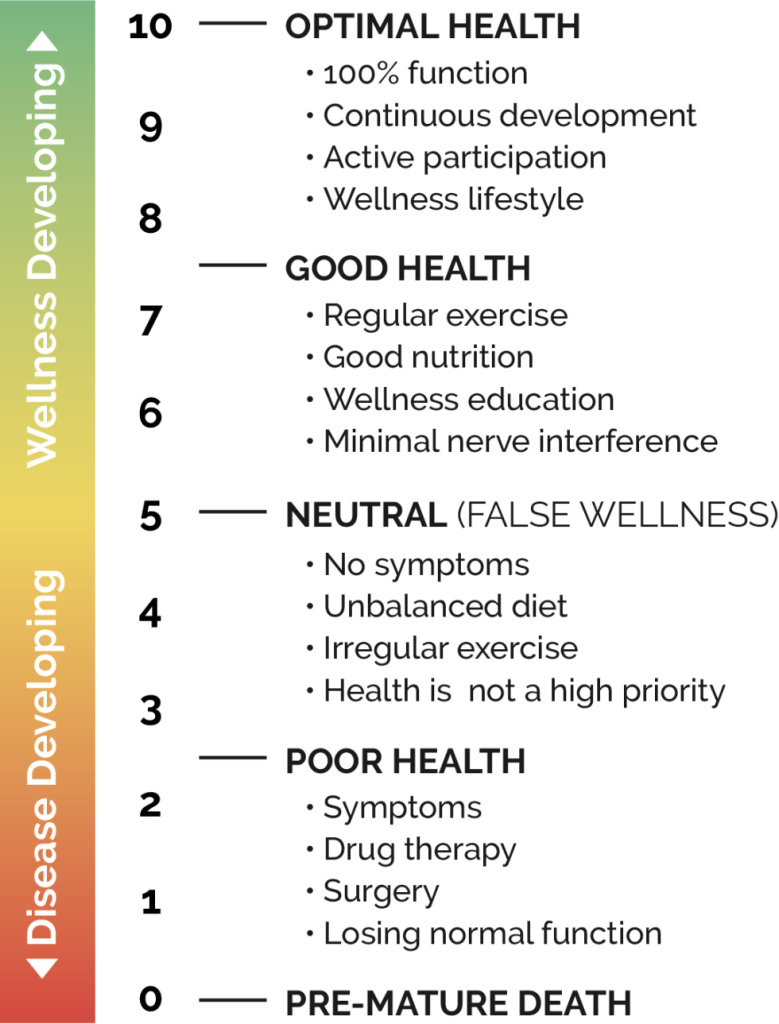
Where Are You Right Now?
Everyone starts care from a different place.
Some people come in with recent pain, headaches, dizziness, tension, or a new injury. Others have been dealing with the same issue for months or years. Some feel generally fine but want to move better, prevent future flare-ups, or maintain the progress they have already made.
Our job is to meet you where you are, explain what we see, and guide care based on your current state, your goals, and how your body responds.
Where you go from here is always your choice.
What Influences Your Recovery?
Your progress depends on several factors, including:
- Your current level of function and overall health
- How long your symptoms or movement limitations have been present
- The severity and consistency of the problem
- Your daily load: work demands, stress, sleep, and activity level
Because no two people are the same, recommendations are always personalized. Consistency matters. Following your recommended plan and giving your body time to adapt is often the difference between short-term relief and long-term change.
The Three Stages of Care
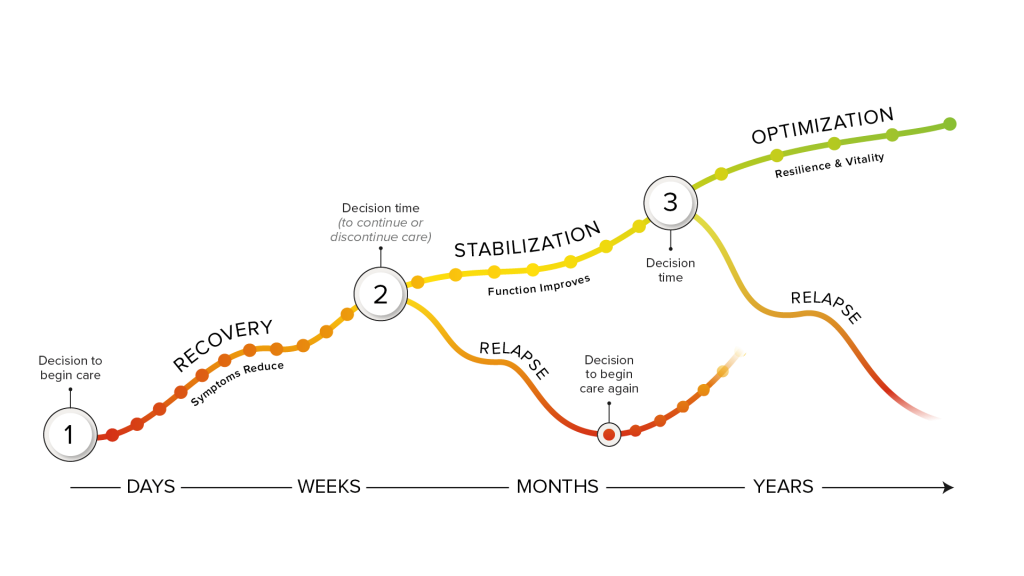
1. Relief Care
This is often where care begins. If you’re in pain, feeling stiff, experiencing headaches, dizziness, tension, or noticing that your movement is limited, the first goal is to reduce symptoms and help your body settle. Early visits may be closer together because the problem is more reactive at this stage. Many people notice some improvement within the first few visits, and some feel better even after the first visit. It’s also normal to feel temporary soreness as your body adapts, especially when joints, muscles, and the nervous system start working differently again. Relief care is about creating enough change and stability that longer-term progress is possible.
2. Corrective Care
Once symptoms start improving, the focus shifts from short-term relief to improving what is driving the problem. Many issues are tied to patterns that developed over months or years, like joint restriction, upper neck stress, posture, balance issues, and repeated movement habits. Corrective care is where we work on restoring more normal movement and function over time, so the improvements you feel are more likely to hold. Visit frequency often decreases compared to the relief phase, but consistency still matters because your body needs repeated input to adapt. This is also the point where many patients decide how far they want to take their care. Stopping as soon as you feel better can mean the old pattern slowly returns. Continuing helps reduce that risk.
3. Wellness Care
Although completely optional, most people in our office choose to continue with Wellness care. Wellness care is for people who want to maintain what they’ve built. Life keeps placing stress on the body: work, training, long hours sitting, travel, injuries, and everyday wear and tear. Even when you feel good, those loads can slowly accumulate until symptoms return. Wellness visits are typically less frequent and focused on maintaining mobility, staying ahead of flare-ups, and supporting long-term function. The goal is not to chase pain, but to help you stay active, balanced, and confident in how your body moves.
A Patient-First Approach
Care at Align Chiropractic is never one-size-fits-all. We listen, assess thoroughly, and recommend care based on your needs and how you respond. Progress is rechecked regularly, and the plan changes when it needs to.
Some patients choose short-term care. Others choose ongoing maintenance. Both are respected.
Our role is to guide, explain, and support you. The decisions are always yours.
Frequently Asked Questions
How long does recovery take with chiropractic care?
Recovery looks different for every person. It depends on your current level of function, how long the issue has been present, the severity of the problem, and how your body responds to care. Some people notice changes quickly, while others need more time and consistency to build lasting progress.
Why do I need more than one visit if I start feeling better?
Feeling better is an important first step, but it does not always mean the underlying pattern has fully changed. Corrective care helps your body adapt, restore better movement, and hold improvements more consistently over time.
Is it normal to feel sore after an adjustment?
Yes, temporary soreness can happen, especially early in care. As joints, muscles, and the nervous system begin working differently again, your body may need time to adapt. This usually settles as your body becomes more stable and responsive.
What is the difference between relief care and corrective care?
Relief care focuses on reducing symptoms and helping your body settle. Corrective care focuses on improving the underlying movement, alignment, and functional patterns that may be contributing to the problem, so your progress is more likely to last.
Do I have to continue with wellness care?
No. Ongoing wellness care is always your choice. Some patients choose short-term care, while others continue with periodic visits to maintain mobility, support long-term function, and stay ahead of flare-ups. Our role is to explain your options and help you make the decision that feels right for you.